
Reimagining Education: Bridging Innovation with Tradition
Author:prodblogtest03
Date:May 20, 2026
Education, as we know it, is undergoing a seismic shift. Gone are the days where a singular, traditional approach dominated the academic landscape. Today, the emphasis is on creating a more dynamic, inclusive, and adaptive educational experience. The modern classroom is no longer bounded by walls and is increasingly becoming a fusion of technology and human interaction. This shift reflects our society’s need for education systems that not only impart knowledge but also foster critical thinking, creativity, and adaptability to change.

Download our free guide to explore innovative strategies and tools for modern education.
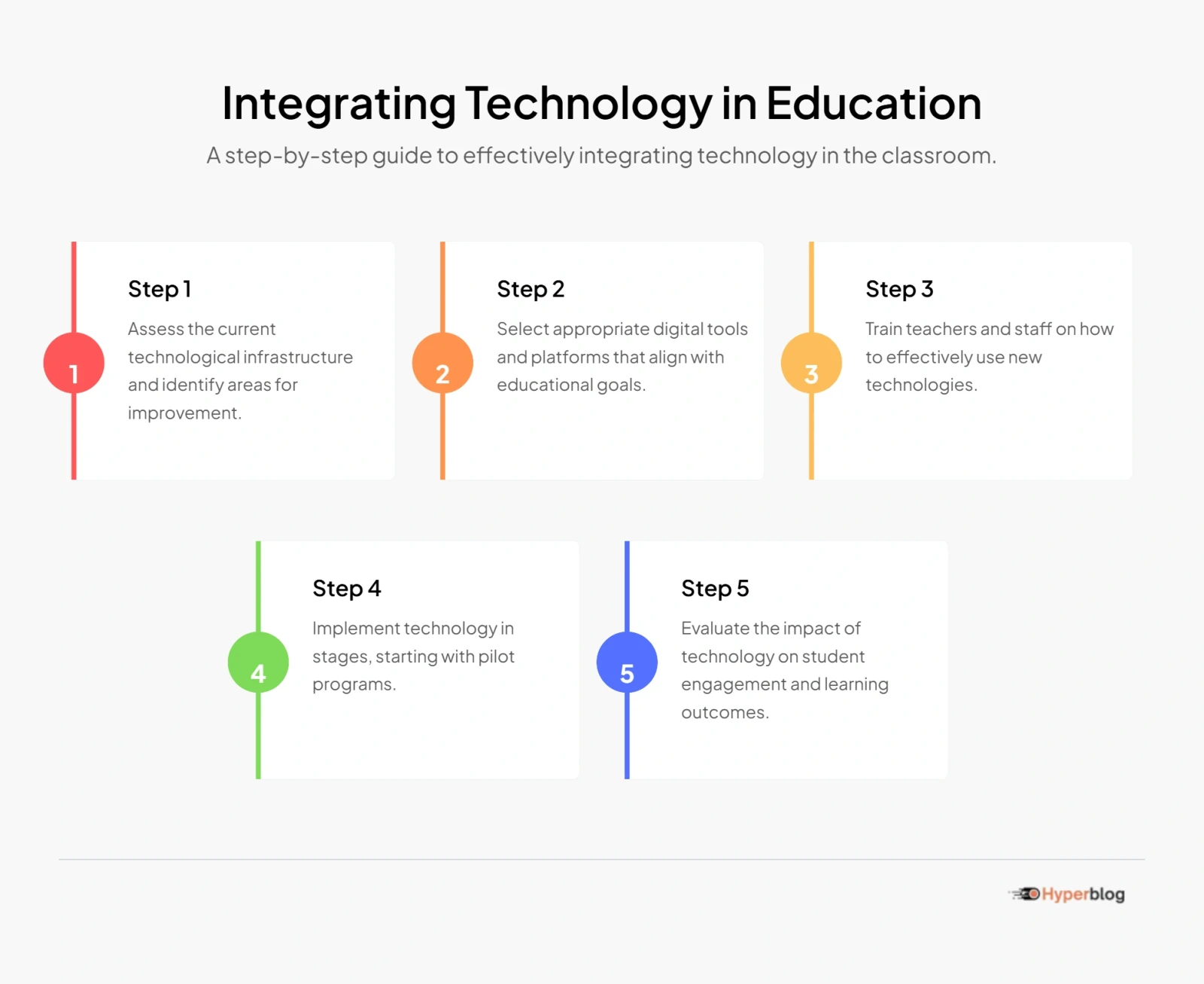
With the advancement of technology, the tools available for learning have dramatically transformed. The integration of digital resources, from interactive platforms to virtual classrooms and AI-driven tutoring, is opening new avenues for exploration and engagement. Not only does this cater to diverse learning styles, but it also provides students with a global perspective, connecting them with peers from different cultures and backgrounds. The challenge lies in ensuring that technology acts as a complement to, rather than a replacement of, traditional educational values.
In this technologically enriched educational setting, the role of teachers becomes more crucial than ever. They are not just facilitators of information but mentors who guide students through a plethora of learning experiences. By harnessing the power of technology, educators can personalize learning experiences, catering to the unique needs of each student. However, they must also impart critical thinking skills and ethical considerations that technology alone cannot provide. This dual focus ensures that students are well-rounded, capable of leveraging technology effectively while maintaining a strong moral and ethical grounding.
A vital component of contemporary education is its ability to embrace and celebrate cultural diversity. In today's multicultural classrooms, incorporating diverse perspectives is essential to fostering a truly inclusive environment. By integrating curricula that reflect varied histories, languages, and cultural practices, students are afforded a broader worldview. This inclusivity not only helps in diminishing stereotypes but also encourages empathy and cross-cultural understanding, preparing students to thrive in a globally interconnected society.
Which aspect of modern education do you find most crucial?
Technology can enhance traditional education by providing interactive learning experiences, personalized learning paths, and access to a wealth of resources online.
Effective strategies include integrating diverse perspectives in the curriculum, celebrating different cultural festivals, and encouraging student-led discussions on cultural topics.
Teachers guide students through learning experiences, personalize education, and impart critical thinking and ethical values, which technology alone cannot provide.
Schools can balance tradition with innovation by incorporating technology while preserving the valuable insights and skills offered by traditional subjects like history and literature.
Collaborative projects foster teamwork, respect for differences, and cross-cultural understanding, preparing students for a globally interconnected society.
Schools aiming to promote inclusivity can employ several strategies. Encouraging student-led discussions on cultural topics, integrating literature and media from diverse authors, and celebrating various cultural festivals are effective methods. Another approach is collaborative projects that require students to work with peers from different backgrounds, fostering teamwork and respect for differences. By embedding these practices into the educational framework, schools can nurture respect and understanding.
While modernization is integral to the evolution of education, it is equally important to honor traditional methods that have stood the test of time. Subjects like history, literature, and philosophy offer insights and skills that are timeless. The balance between utilizing cutting-edge technology and retaining traditional teaching methodologies can lead to a more holistic educational experience. This synthesis of old and new creates an environment where students can learn from the past while being equally prepared for the future.